Trezor Login: A Complete Guide
In the world of cryptocurrencies, securing your digital assets is of paramount importance. With cyberattacks, phishing attempts, and malware on the rise, keeping your crypto safe requires more than just strong passwords. This is where hardware wallets come into play. Among the leading hardware wallets available today, Trezor stands out as a pioneer in the field. It offers users a secure way to store private keys offline, ensuring that your digital assets remain safe from hackers. One of the first steps in managing your Trezor wallet is the Trezor login process, which is essential for accessing your crypto funds securely.
What is Trezor?
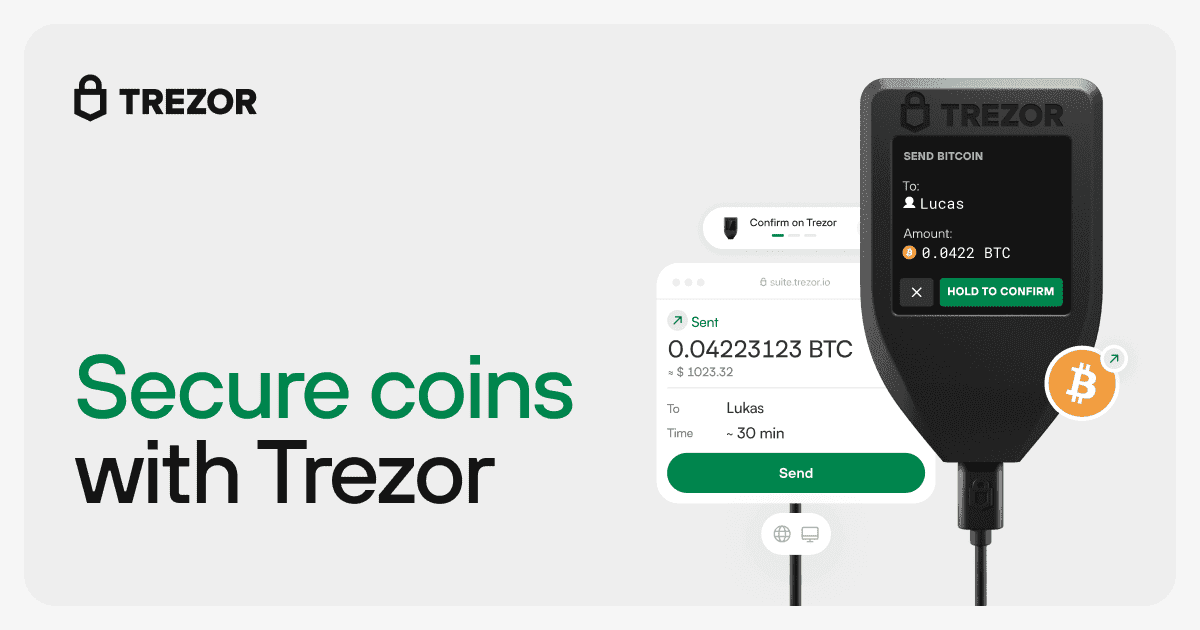
Trezor is a hardware wallet developed by SatoshiLabs, designed to provide the highest level of security for cryptocurrency storage. Unlike software wallets that are constantly connected to the internet, Trezor stores your private keys offline. This means that even if your computer is infected with malware, your crypto holdings remain safe.
Trezor supports a wide variety of cryptocurrencies, including Bitcoin (BTC), Ethereum (ETH), Litecoin (LTC), and thousands of tokens built on different blockchains. Its user-friendly interface and robust security features make it a popular choice among crypto enthusiasts, from beginners to advanced users.
Understanding the Trezor Login Process
Logging into your Trezor wallet is different from traditional login methods. Since your private keys never leave the device, Trezor does not use passwords or usernames in the conventional sense. Instead, it employs PIN codes and recovery seeds to ensure security.
1. Setting Up Your Trezor Device
Before you can log in, you need to set up your Trezor wallet:
Unbox Your Trezor Device: Make sure the packaging is intact and genuine. Trezor devices come with a holographic seal for authenticity.
Connect to Your Computer: Use the USB cable provided to connect your Trezor to your computer. You can also use mobile devices with USB-C adapters for some models.
Visit Trezor Suite: Open a browser and go to Trezor Suite. Trezor Suite is the official application for managing your device and cryptocurrencies. Alternatively, you can use supported third-party wallets.
Initialize Device: You can either create a new wallet or recover an existing wallet using a recovery seed. If you are setting up a new device, you will be prompted to generate a 12, 18, or 24-word recovery seed.
Set a PIN: During setup, you’ll be asked to create a PIN. This PIN is required every time you log into your device.
2. Logging into Trezor
Once your device is set up, logging in involves a simple yet secure process:
Connect Trezor to Your Computer or Mobile Device: Use the USB cable.
Open Trezor Suite: Navigate to the Trezor Suite application. If you’re using a web-based wallet, make sure the site is authentic (look for HTTPS and the correct URL).
Enter Your PIN: Trezor devices use a matrix-based PIN entry system. On your computer screen, you’ll see a grid of numbers, but the actual number positions are randomized. You then enter the corresponding numbers on your Trezor device screen. This method ensures that even if someone is watching your computer screen, they cannot steal your PIN.
Access Your Wallet: After entering your PIN, you gain access to your wallet, where you can view balances, send or receive cryptocurrencies, and manage your accounts.
3. Security Features of Trezor Login
The Trezor login process incorporates multiple layers of security:
PIN Protection: As described, Trezor’s PIN system is resistant to keyloggers and screen recording malware.
Recovery Seed: Your 12-24 word recovery seed is the ultimate backup. Even if your Trezor device is lost or stolen, you can restore your wallet on another Trezor or compatible hardware wallet.
Passphrase Feature: For additional security, Trezor allows users to add a passphrase to the recovery seed. This creates a hidden wallet, giving you an extra layer of protection.
Firmware Verification: Trezor firmware is open-source and verifiable. Each login checks that the firmware is authentic and unmodified.
4. Logging in on Different Devices
Trezor login is versatile and can be performed on different devices:
Windows, macOS, and Linux: Use Trezor Suite or supported browser wallets.
Mobile Devices: Trezor Suite mobile app (iOS and Android) allows secure access to your wallet.
Third-party Wallets: Some wallets like Exodus, Electrum, and MyEtherWallet support Trezor login. You can connect your Trezor and manage assets through these platforms.
5. Troubleshooting Login Issues
Even with a simple login system, users may occasionally face issues. Common problems include:
Incorrect PIN: Repeatedly entering the wrong PIN may temporarily lock your device. Trezor has a security mechanism where the delay between attempts increases exponentially after each wrong attempt.
Device Not Recognized: Ensure your USB cable is functional and that your device is connected directly to the computer (avoid USB hubs).
Firmware Outdated: If your Trezor firmware is outdated, some login features may not work. Always keep firmware updated through Trezor Suite.
Corrupted Recovery Seed: Ensure that your recovery seed is correctly written down. Any mistake may prevent wallet recovery.
6. Advanced Tips for Secure Login
For users who want the highest level of security, consider these advanced practices:
Use a Passphrase: A strong passphrase combined with your recovery seed creates a secondary wallet that is invisible to anyone who does not know the passphrase.
Cold Storage Practices: Keep your Trezor device offline when not in use, only connecting it when necessary.
Backup Recovery Seed in Multiple Locations: Store your recovery seed in secure, geographically separate locations to protect against loss or theft.
Regular Firmware Updates: Always update your Trezor firmware to benefit from security improvements and bug fixes.
7. Logging Out
Trezor wallets are physically secure; however, logging out from Trezor Suite or browser wallets is still important. Disconnecting your device after use ensures that your wallet cannot be accessed without your physical Trezor and PIN.
8. Security Best Practices
Never Share Your Recovery Seed: No legitimate service will ever ask for your 12-24 word seed.
Beware of Phishing Websites: Always verify URLs and avoid clicking on suspicious links.
Use Hardware Wallet Exclusively for Private Keys: Avoid storing private keys on computers or mobile devices.
Enable Passphrase for Sensitive Assets: Especially if holding high-value crypto assets.
9. Recovery in Case of Lost Device
If your Trezor device is lost, damaged, or stolen:
Acquire a new Trezor device or compatible hardware wallet.
Use your 12, 18, or 24-word recovery seed to restore your wallet.
Enter your passphrase if applicable to access hidden wallets.
Consider changing account addresses for extra security.
10. Common User Mistakes During Login
Using public or shared computers to log in.
Failing to update Trezor firmware regularly.
Misplacing the recovery seed or writing it digitally.
Reusing passphrases across multiple wallets.
11. Frequently Asked Questions (FAQ)
Q: Can I log in to Trezor without the device?
A: No. Trezor is a hardware wallet, and the device is required for login and transaction signing. Your recovery seed can restore your wallet on another device but cannot be used to log in without a hardware wallet interface.
Q: Is Trezor login safe from hackers?
A: Yes. Trezor keeps your private keys offline, making it extremely difficult for hackers to access your crypto. The PIN and passphrase add additional layers of security.
Q: Can I reset my Trezor PIN if I forget it?
A: Yes, but resetting the PIN involves erasing the device and restoring it using your recovery seed.
Q: How does Trezor protect against malware?
A: Since private keys never leave the device, malware on your computer cannot steal them. The device verifies all transactions physically before signing.
Q: Can Trezor be used with multiple cryptocurrencies?
A: Absolutely. Trezor supports Bitcoin, Ethereum, Litecoin, and thousands of tokens across multiple blockchains. The login process remains the same for all supported coins.
12. Conclusion
The Trezor login process may seem different from traditional online accounts, but its security advantages are substantial. By using a combination of PIN codes, recovery seeds, and passphrases, Trezor ensures that your cryptocurrency remains protected even in a hostile digital environment. Understanding the login process and following best practices for device management and seed backup are crucial steps for every crypto user.
Logging into Trezor is not just a routine step; it is a gateway to controlling and securing your digital wealth. With proper care and security awareness, Trezor users can confidently manage their crypto assets knowing that their private keys are stored offline and protected against threats that plague online wallets. As cryptocurrency continues to grow in popularity, hardware wallets like Trezor provide peace of mind and unparalleled security for both beginners and seasoned investors alike.