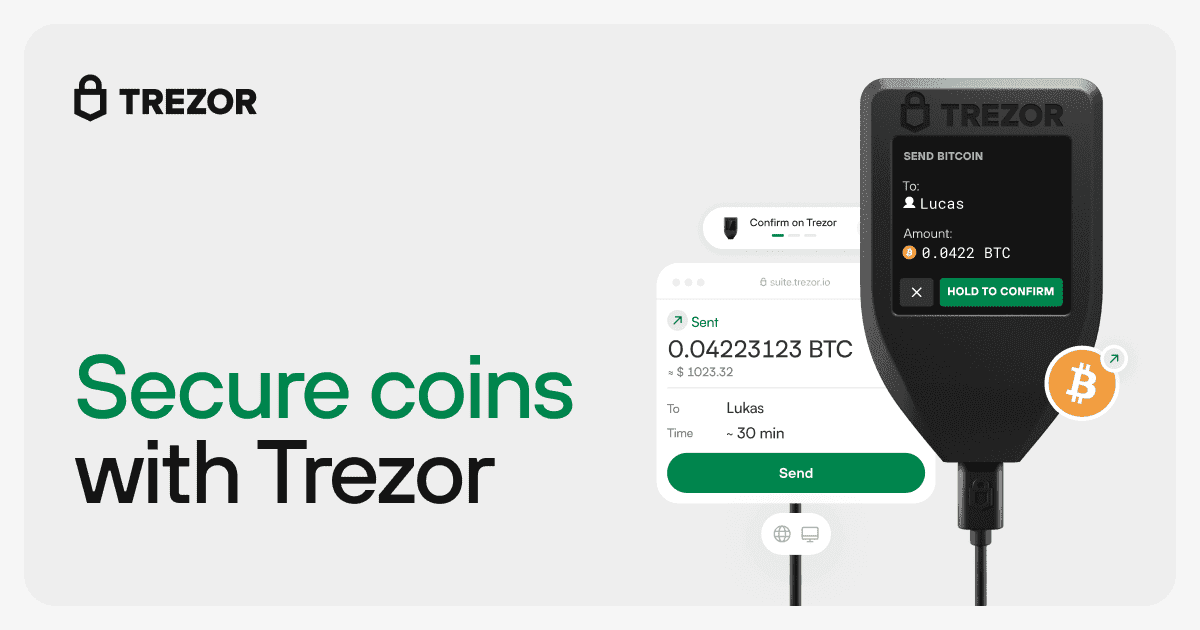
Trezor Login: A Comprehensive Guide to Accessing Your Cryptocurrency Securely
In today’s digital world, securing cryptocurrencies is more important than ever. While online wallets and exchanges are convenient, they are vulnerable to hacks, phishing, and malware attacks. This is why hardware wallets, like Trezor, have become a cornerstone of cryptocurrency security. One critical aspect of using Trezor is understanding the login process—how to securely access your wallet, protect your assets, and recover your wallet if needed. This guide explores everything you need to know about logging in to Trezor safely and efficiently.
What is Trezor and Why Use It?
Trezor, developed by SatoshiLabs, is a hardware wallet designed to store cryptocurrency private keys offline. Unlike software wallets, which can be compromised if your computer is infected, Trezor keeps your keys isolated in a secure device. This provides a significant layer of protection against cyberattacks.
Key features of Trezor include:
Support for Multiple Cryptocurrencies: Bitcoin, Ethereum, Litecoin, and thousands of other tokens.
Offline Private Key Storage: Ensures that private keys never leave the device.
User-Friendly Interface: Both beginners and advanced users can manage assets with ease.
Robust Security Features: PIN codes, recovery seeds, and optional passphrases.
Trezor is widely trusted by crypto enthusiasts around the globe for its combination of security and usability.
Understanding the Trezor Login Process
Unlike traditional accounts, logging into a Trezor wallet is not about entering a username or password. Instead, Trezor uses physical device authentication combined with a PIN and optionally a passphrase.
The login process ensures:
Private keys remain offline.
Protection against malware and keyloggers.
Secure access even if your computer or browser is compromised.
Step-by-Step Guide to Logging Into Trezor
Step 1: Setting Up Your Trezor Device
Before logging in, your device must be properly set up:
Unbox and Verify Authenticity: Trezor comes with a holographic seal to verify it has not been tampered with.
Connect to a Computer or Mobile Device: Use the USB cable provided with the device.
Open Trezor Suite: The official app (suite.trezor.io) allows secure wallet management.
Initialize Your Wallet: You can either create a new wallet or recover an existing one using your recovery seed.
Set a PIN Code: The PIN is required every time you log in to the device.
Step 2: Logging Into Trezor
Once the setup is complete, logging in is straightforward but secure:
Connect Your Trezor Device: Plug it into your computer or mobile device.
Open Trezor Suite or Supported Wallet: Ensure you are on an authentic platform.
Enter the PIN: Trezor uses a randomized matrix-based PIN system. Numbers are scrambled on the computer screen while the device shows the correct positions. This prevents keyloggers from capturing your PIN.
Access Wallet Functions: Once logged in, you can check balances, send and receive cryptocurrencies, and manage multiple accounts.
Security Features of Trezor Login
1. PIN Protection
The PIN system prevents unauthorized access. Even if someone observes your screen, the randomized number positions make it impossible to guess the PIN.
2. Recovery Seed
The 12-24 word recovery seed is your ultimate backup. It allows you to restore your wallet if the device is lost or damaged.
3. Passphrase Option
For additional security, Trezor allows a passphrase that works with your recovery seed to create a hidden wallet. This is especially useful for high-value assets.
4. Firmware Verification
Trezor firmware is open-source and verifiable. Every login checks the device firmware for authenticity, ensuring it hasn’t been tampered with.
Logging In on Different Devices
Trezor supports various platforms:
Desktop: Windows, macOS, Linux using Trezor Suite.
Mobile: iOS and Android apps allow secure access.
Third-party Wallets: Wallets like Electrum, Exodus, or MyEtherWallet support Trezor integration.
The login process remains secure across all platforms because your private keys never leave the device.
Troubleshooting Login Issues
Even experienced users may encounter problems. Common issues include:
Incorrect PIN: Repeated wrong attempts increase the time delay between retries. Enter the correct PIN carefully.
Device Not Detected: Check USB connection, try another port, or avoid using hubs.
Outdated Firmware: Ensure your device firmware is updated via Trezor Suite.
Recovery Seed Errors: If the recovery seed is lost or incorrect, wallet recovery will fail.
Best Practices for Trezor Login Security
To maximize security, follow these recommendations:
Use a Strong Passphrase: Protect hidden wallets with a unique passphrase.
Keep Device Offline: Connect only when needed.
Secure Your Recovery Seed: Store offline, in multiple safe locations.
Avoid Public Computers: Never log in on shared or unsecured devices.
Regular Firmware Updates: Protect against vulnerabilities.
Recovery Process
If your Trezor is lost, stolen, or damaged:
Acquire a new device or compatible hardware wallet.
Restore using your recovery seed.
Enter your passphrase for hidden wallets if applicable.
Consider generating new addresses for enhanced security.
Common Mistakes Users Make
Sharing recovery seeds online.
Using simple or repeated passphrases.
Logging in on public or infected devices.
Ignoring firmware updates.
Failing to back up recovery seeds properly.
Frequently Asked Questions (FAQ)
Q: Can I log in without the Trezor device?
A: No. The hardware wallet is required for access and transaction signing.
Q: Is Trezor login secure from hackers?
A: Yes. Private keys remain offline, making hacking extremely difficult.
Q: Can I reset the PIN if I forget it?
A: Yes, but the device will be wiped. Restore using the recovery seed.
Q: Can I use Trezor for multiple cryptocurrencies?
A: Yes. Trezor supports Bitcoin, Ethereum, Litecoin, and thousands of other tokens.
Q: Can I log in from multiple devices?
A: Yes, but the PIN and device authentication are always required.
Conclusion
The Trezor login process is more than just a step—it’s a gateway to securing your cryptocurrency. By understanding the setup, PIN system, recovery seed, and passphrase features, you can ensure your assets remain safe.
Following best practices, using passphrases, and regularly updating firmware ensures that your cryptocurrency is protected against hacks, malware, and loss. Trezor provides peace of mind by combining offline security, device authentication, and user-friendly management, making it a trusted solution for crypto holders worldwide.
By mastering the Trezor login process, you can confidently manage your digital assets knowing that security is never compromised.